
Homeowner guidance, one idea at a time.
Buying, refinancing, renovating and the market around them. Plain first, then precise, with every number sourced and dated.
Buying, refinancing, renovating and the market around them. Plain first, then precise, with every number sourced and dated.

Every November, the Federal Housing Finance Agency announces the conforming loan limit for the year ahead. Here is what the number means for your options.

Most of what actually lowers a home's appraised value isn't cosmetic, it's deferred maintenance that turned into water damage.

Private mortgage insurance protects the lender, not you, and on a conventional loan it is not permanent. Refinancing is one way out, and rarely the cheapest.

Down payment assistance programs exist in nearly every state, and most first-time buyers either do not know about them or assume they will not qualify.
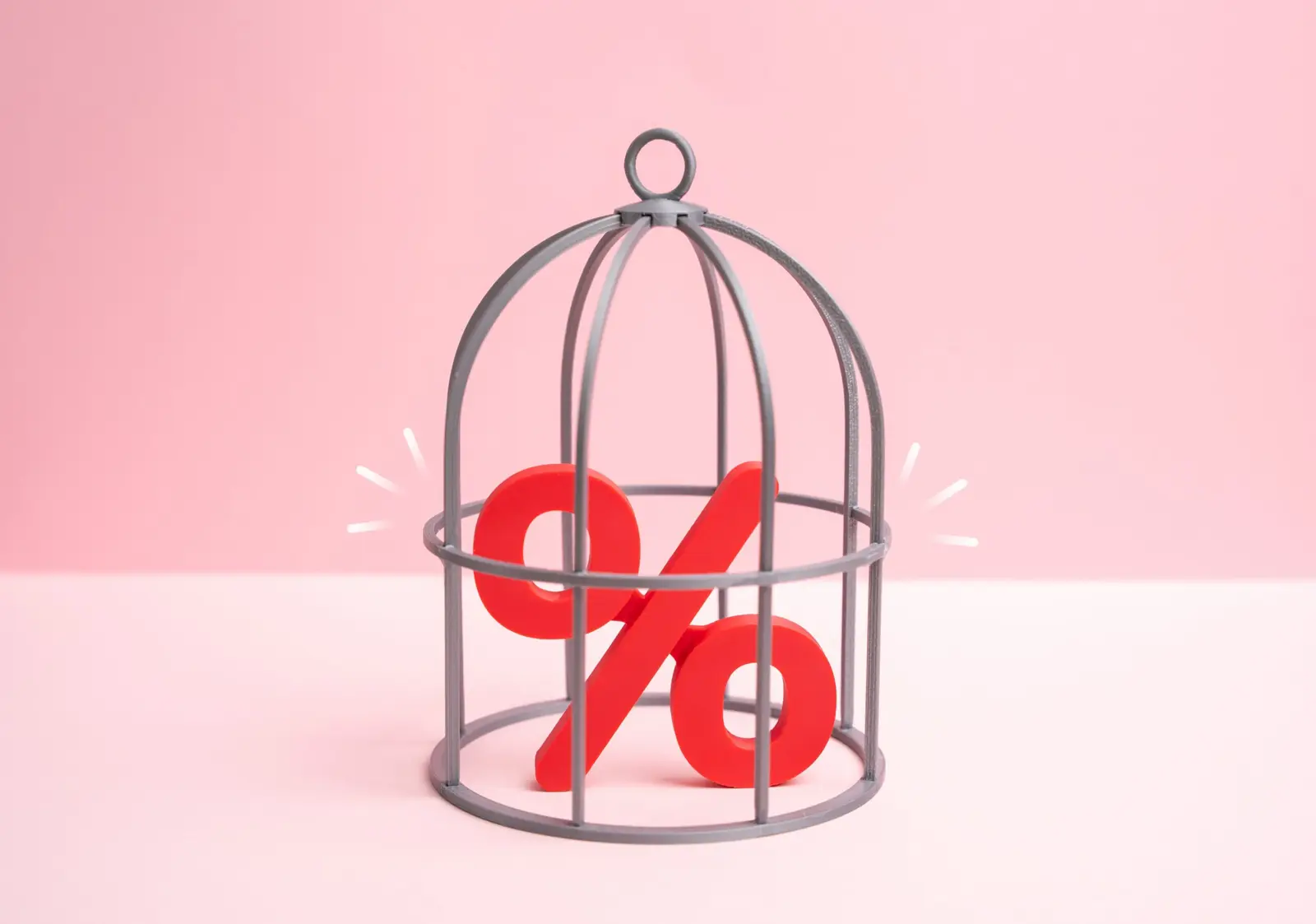
Once you sign a purchase contract, the rate you were quoted is not yours until you lock it. Here is how a lock works, and when a float-down is worth asking for.

An insurance renewal that jumps 20% costs more than the premium: it raises your escrow payment, and with it your monthly mortgage payment.

Credit card balances hit $1.26 trillion in the second quarter of 2026, while home equity sits near a record. What that pairing means for homeowners.
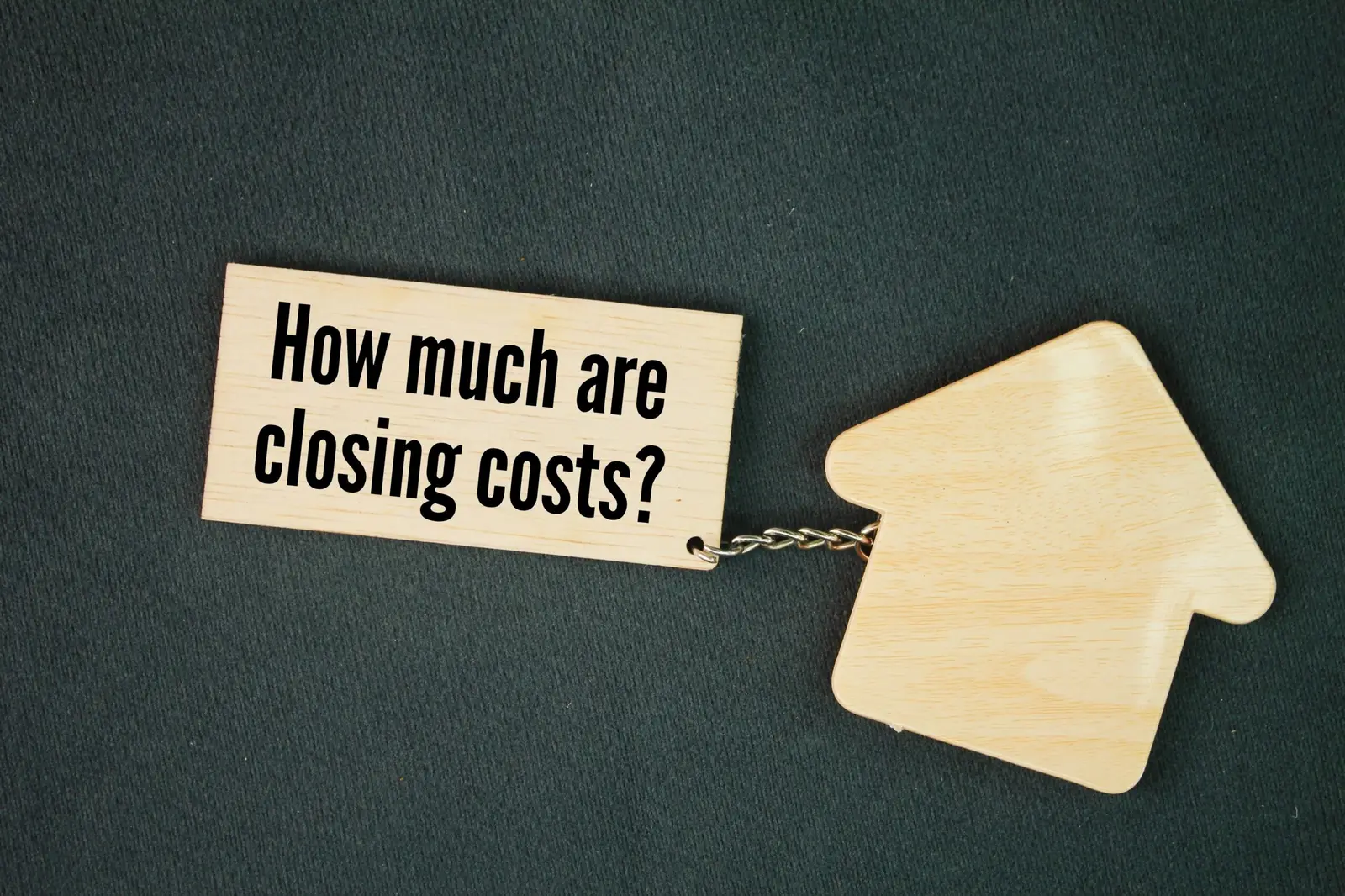
Closing costs usually run 2% to 5% of the purchase price, and first-time buyers are often surprised by what the line items pay for.

Two paths lead to your equity: replacing your mortgage with a larger one through a cash-out refinance, or opening a HELOC beside it. Which fits depends on the goal.

Fall brings fewer competing buyers, more motivated sellers, and faster lender turn times. Here's how to use the slower season to your advantage.

Renovation financing options each fit different projects and budgets. Compare cash-out refinancing, HELOCs, and personal loans before you start.

A surprise property tax increase usually traces back to a reassessment. Learn what triggers one and the steps to appeal if it looks wrong.

Buying a duplex, triplex, or fourplex and renting out the other units can qualify for owner-occupied financing. Here's how it works.

Government shutdowns and policy shifts can quietly delay closings and shift rates. Here's how they ripple through the mortgage process.

These terms are often used interchangeably, but they mean very different things to a seller. Here's what first-time buyers should know.

Adjustable-rate mortgages eventually reset. Learn when it makes sense to refinance into a fixed rate, and when waiting is the better call.

Qualifying for a mortgage solo after divorce comes with unique documentation needs. Here's what lenders look for and how to prepare.

Jumbo loans don't always cost more than conforming loans anymore. Here's how jumbo pricing and qualification work in 2026.

Family gifts can cover part or all of a down payment, but lenders follow strict documentation rules. Here's what buyers need to know.

A lower rate doesn't automatically mean a refinance is worth it. Learn how to calculate your breakeven point before you refinance.

Contingencies give buyers an exit if something goes wrong. Learn the most common types and why waiving them carries real risk.

Mortgage-backed securities quietly shape the rate you're offered. Here's a plain-language look at what they are and how they influence pricing.

Thousands of down payment assistance programs exist across the U.S. Learn how they work and where first-time buyers should start looking.

Both let you tap home equity, but they work very differently. Compare cash-out refinancing and HELOCs to see which fits your financial goals.

Pre-approval tells you the max you qualify for, not what you should spend. Here's a realistic framework for figuring out what fits your budget.
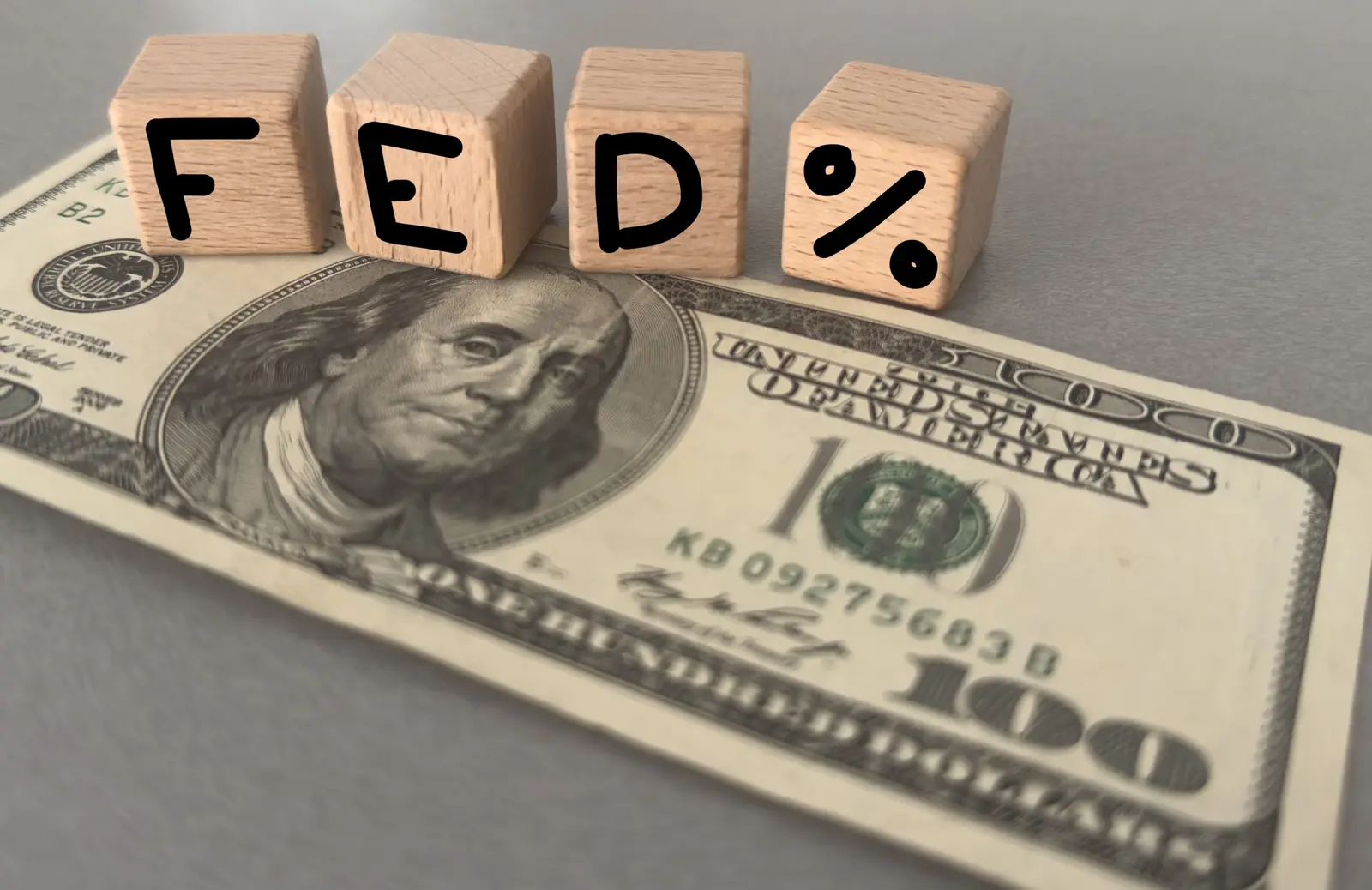
The Fed doesn't set mortgage rates directly. Learn why Fed decisionsand mortgage rates often move differently, and what actuallydrives your rate.

Financing an investment property follows different rules than a primary home loan. Learn the down payments, rates, and qualifying standards that apply.

Escrow accounts handle your property taxes and insurance. Learn how mortgage escrow works, how it's calculated, and why your payment can change.

Streamline refinances offer a fast, low-paperwork way to lower your rate. Learn how FHA, VA, and USDA programs work, and who qualifies.

Self-employed borrowers face a different mortgage path. Learn what lenders look for, what documents you need, and how to strengthen your application.

Student loans don't have to delay homeownership. Learn how lenders evaluate student debt, and the strategies that help buyers qualify in 2026.

Locking your mortgage rate protects you from rate increases, but timing matters. Learn when to lock, when to float, and what each strategy costs.

Home prices, mortgage rates, and incomes are all shaping affordability in 2026. Here's what today's buyers are seeing, and how to plan ahead.

The same borrower can get very different mortgage quotes. Learn why rates vary between lenders, and how to shop smart for a better deal.

Inflation is one of the biggest drivers of mortgage rates. Learn how the connection works, and what it means for buyers and homeowners today.

American homeowners hold record levels of equity. See what's driving the trend, and how to put your equity position to work strategically.

A HELOC gives you flexibility; a home equity loan gives you certainty. Compare both side by side to find the right fit for your borrowing needs.

Not every renovation pays you back. See which home improvement projects deliver the highest ROI at resale, and which ones rarely recover their cost.
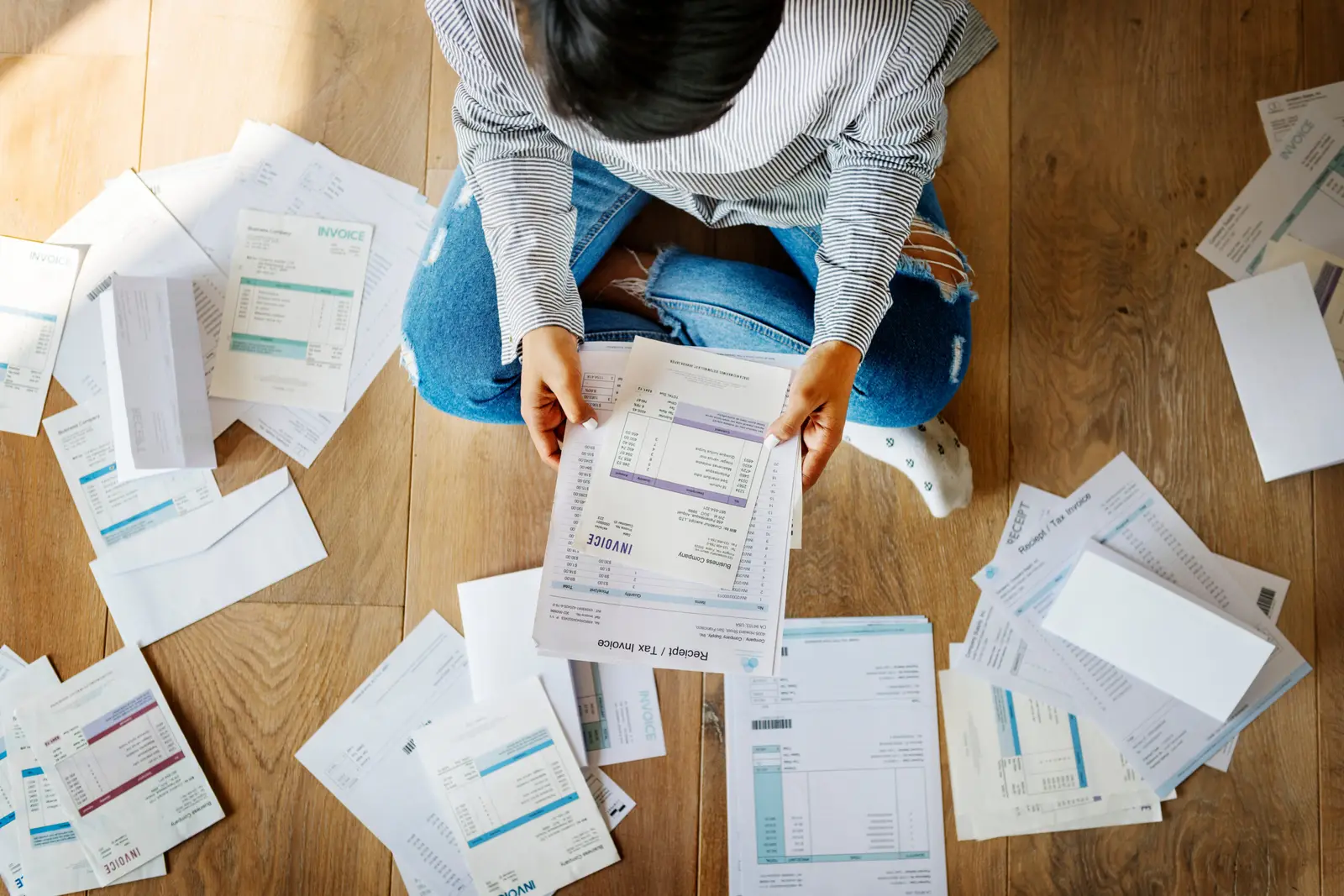
Your DTI ratio can make or break your mortgage approval. See the thresholds lenders use, and how to improve yours before you apply.

Both let you tap home equity, but they work very differently. Compare cash-out refinances and HELOCs to choose the right tool for your goals.

Over 2,000 down payment assistance programs exist nationwide. Learn the four types of help available and where to find programs in your area.

A divorce decree doesn't remove a spouse from the mortgage, only a refinance does. Here's how the process works and what to plan for.
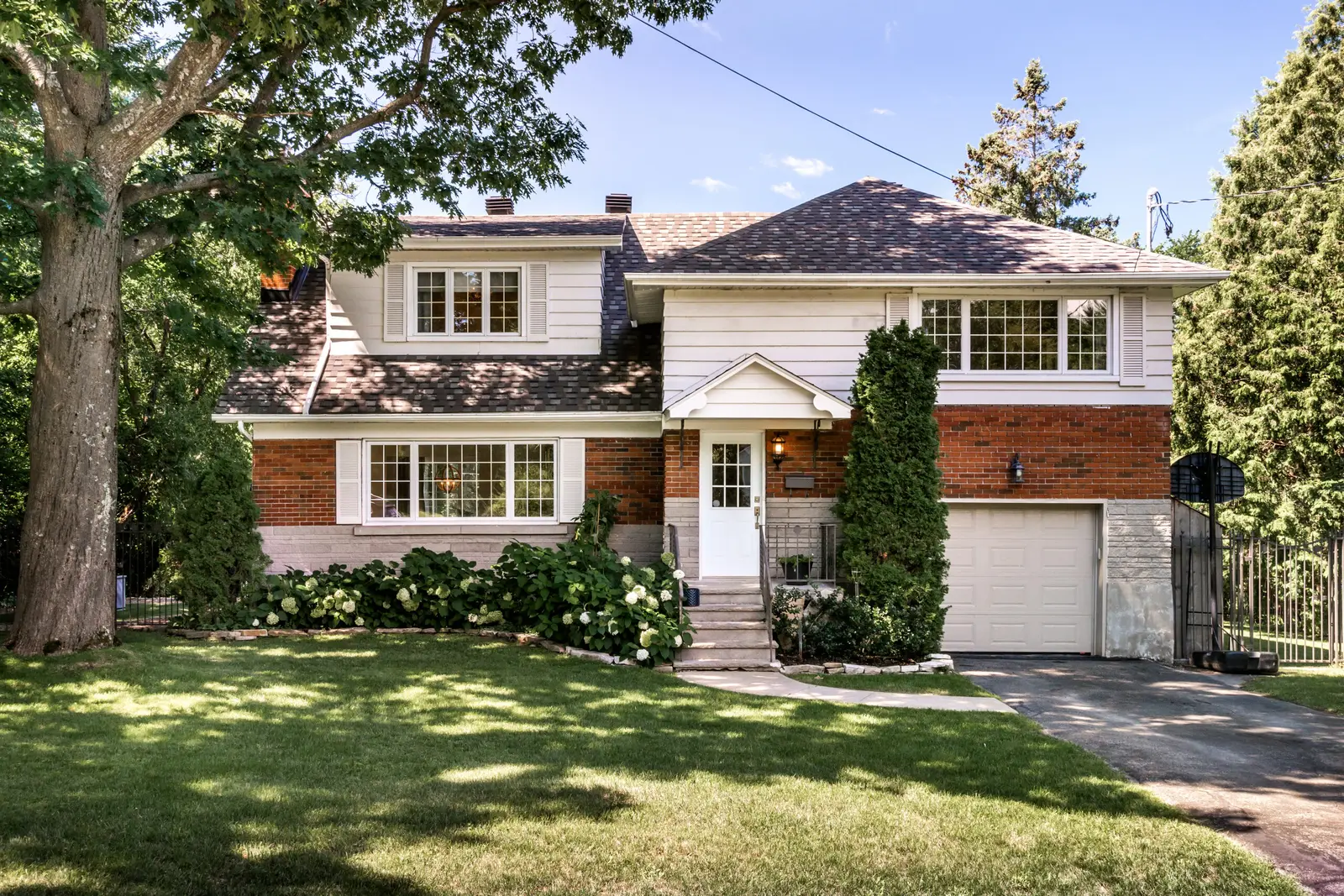
Second home financing requires bigger down payments, stronger credit, and more reserves. Here's what to expect, and how to fund it strategically.
Fed rate decisions don't move mortgage rates directly. Learn what really drives mortgage pricing, and how to watch the right signals.

Turn credit cards, personal loans, and medical bills into one lower mortgage payment. See when debt consolidation makes sense, and when it doesn't.

Turn credit cards, personal loans, and medical bills into one lower mortgage payment. See when debt consolidation makes sense, and when it doesn't.

The year before you apply for a mortgage shapes your rate and approval odds. Follow this 12-month prep timeline for first-time home buyers.

You don't need 20% down to buy a home. Compare minimum down payments for FHA, VA, USDA, and conventional loans to find your path in.

First mortgage? Compare FHA, VA, and conventional loans side by side to find the right fit for your credit, savings, and homeownership timeline.

Your LTV ratio drives your rate, your options, and whether you pay PMI. Here's how to calculate it, and why it matters when you refinance.

Refinancing a jumbo mortgage? Review the credit, reserve, and DTI requirements, plus how small rate drops translate into major savings.

Wondering if it's time to refinance? Learn the simple break-even math that shows exactly when a lower rate will actually save you money.

Private mortgage insurance can add $100 to $300 to your monthly payment. Here are three ways to cancel PMI and put that money back in your budget.

Closing costs run 2–5% of your loan amount. See the full breakdown of fees, plus four proven ways to lower what you pay at the closing table.

Home equity builds passively, but you can speed it up. Seven practical strategies to grow equity faster and own your home sooner.

The year before you apply for a mortgage shapes your rate and approval odds. Follow this 12-month prep timeline for first-time home buyers.

A fixed-rate mortgage offers stability; an ARM often offers lower initial rates. Here's how to choose based on your timeline and goals.

Your mortgage is only part of the cost. Learn the taxes, insurance, maintenance, and fees most first-time buyers underestimate, and how to plan ahead.

Mortgage rates, housing inventory, equity trends, and loan program updates, here's what will shape the 2026 mortgage market for buyers and owners.

In reality, strategic refinance borrowers most often use funds for targeted goals, like debt reduction, home improvements, and financial planning. And with homeowner equity near historic highs, many borrowers have significant value left after refinancing.

If high-interest credit card debt is dragging down your monthly budget, you're far from alone. Americans carry an average of over $5,500 in credit card debt, often with rates above 19% APR. By contrast, mortgage debt typically carries a much lower rate. This gap creates an opportunity: a cash-out refinance lets you tap your home equity to pay off high-cost debt, consolidating multiple bills into one more affordable payment.

U.S. homeowners collectively hold more than $35 trillion in home equity, making it one of the largest sources of household wealth. Yet equity doesn't become liquid until you take action, like through a cash-out refinance.

When tapping home equity, many homeowners consider a cash-out refinance and a HELOC (Home Equity Line of Credit) as two leading options, but they serve different purposes.
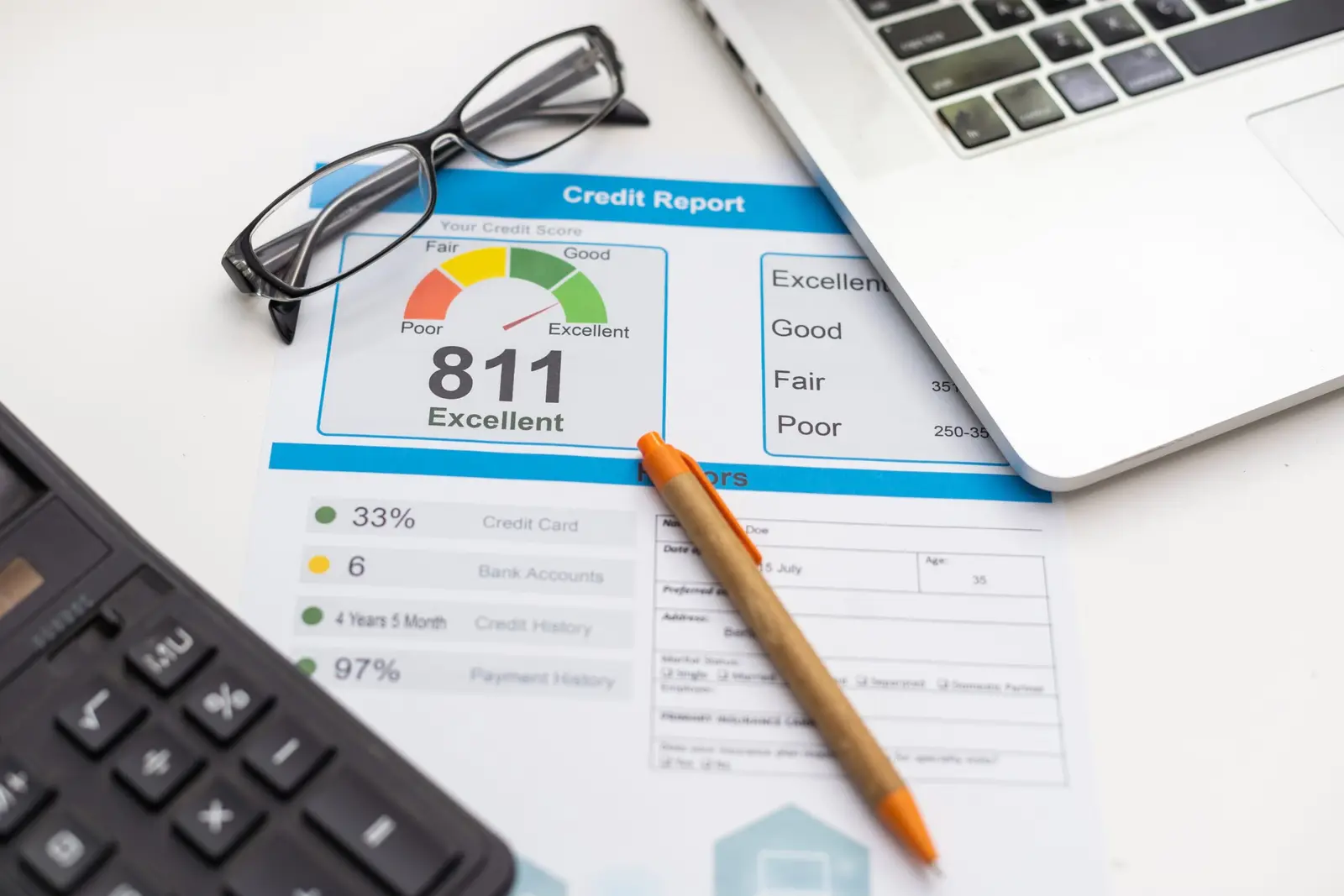
A higher credit score can save you tens of thousands over 30 years. See the score tiers that matter, and proven ways to boost yours before applying.

Financial stress often builds gradually: from mounting bills to unpredictable interest costs. For homeowners feeling squeezed, a cash-out refinance can serve as a reset.

When markets, interest rates, and consumer costs feel unpredictable, financial stability becomes more valuable. A cash-out refinance replaces variable, high-interest debt with a fixed long-term mortgage payment, especially appealing when credit card rates average near 20% APR.

Homeowners use cash-out refinances for more than debt consolidation. According to homeowner sentiment surveys, 55% of homeowners see home improvements as a reason to tap equity.

Credit card debt doesn't only hurt your budget. It can weaken your long-term financial health. The average U.S. household holds several thousand dollars in credit card debt, often costing hundreds or thousands in interest each year.

Nearly 30% of homeowners are considering tapping home equity in the next year, showing interest remains high even in a shifting rate environment.
Mortgage market news and homeowner tips, one idea per email. We will never spam you or sell your information.
NMLS 2336874. Equal Housing Lender. Unsubscribe any time.