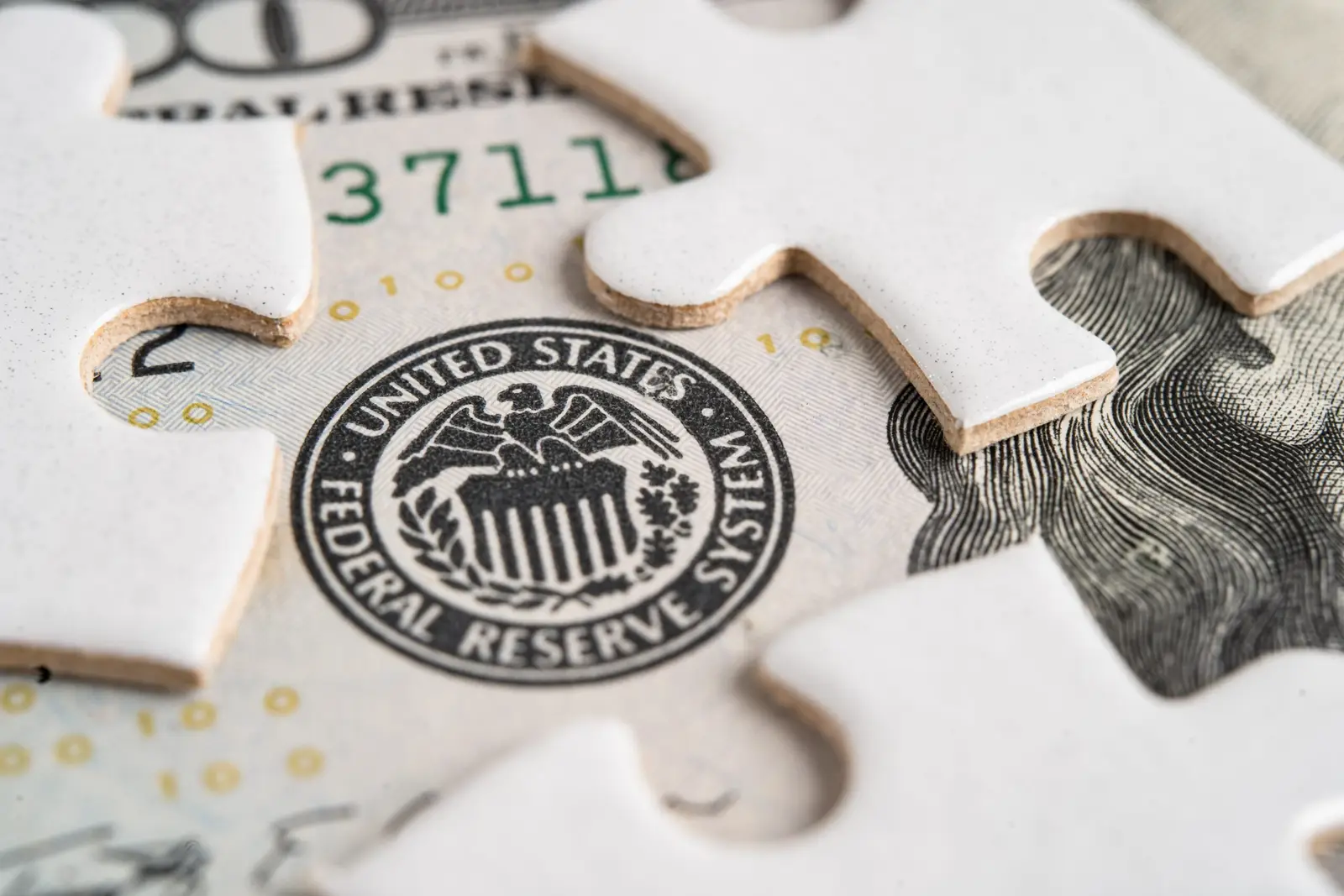
Every time the Federal Reserve raises or cuts the federal funds rate, mortgage headlines follow. But the link between Fed policy and mortgage rates is indirect, and understanding it helps homeowners and buyers make better timing decisions.
A Fed cut does not automatically lower your mortgage rate.
The Federal Reserve sets the federal funds rate, the rate banks charge each other for overnight loans. That rate directly influences short-term borrowing: credit cards, HELOCs and auto loans. It does not directly set mortgage rates.
Mortgage rates, especially on 30-year fixed loans, track most closely with the 10-year U.S. Treasury yield. That yield reflects investor expectations for inflation, growth and Fed policy over the next decade. When investors expect inflation to fall, Treasury yields drop, and mortgage rates usually follow. When investors expect inflation to persist, yields rise and mortgage rates climb.
The Fed sets the tone, but the bond market writes the music.
If you're waiting to refinance or buy, watch the broader signals: inflation reports, employment data and Treasury markets.

Second home financing requires bigger down payments, stronger credit, and more reserves. Here's what to expect, and how to fund it strategically.

Your DTI ratio can make or break your mortgage approval. See the thresholds lenders use, and how to improve yours before you apply.

American homeowners hold record levels of equity. See what's driving the trend, and how to put your equity position to work strategically.
A loan officer can show you where rates sit today for your loan and what a lock would look like, whatever the next announcement brings. Pre-qualifying will not affect your credit score.
Pre-qualify